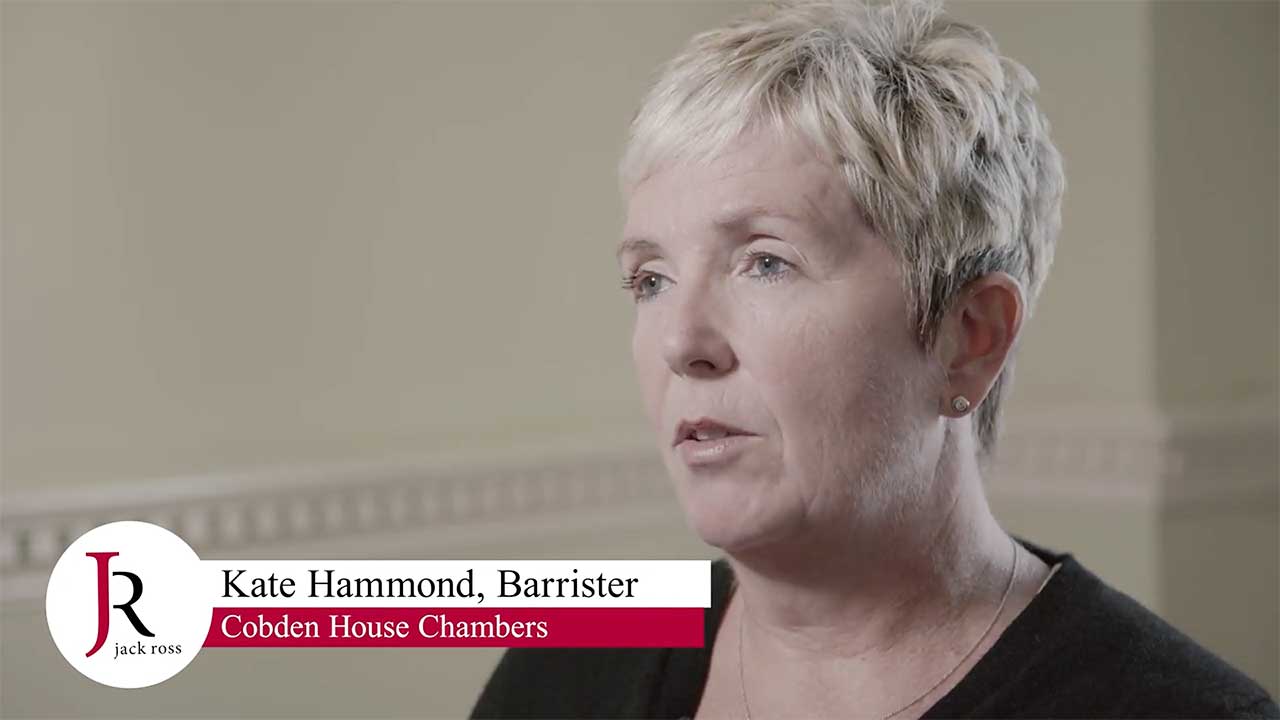
Self-employed barristers occupy a unique position in the UK tax system. As sole traders practising through chambers, you face distinct obligations around income tax, VAT, expenses, and – from April 2026 – Making Tax Digital. This guide brings together every resource on barrister.expert to help you understand your tax position, claim every legitimate deduction, and plan effectively for the future. Whether you are a pupil in your first six or a silk considering retirement, the fundamentals of tax-efficient practice start here.
Making Tax Digital
Incorporation
Pupillage
Pensions and Retirement
Estimate Your Tax Savings
Estimated Annual Savings
–
This calculator provides an indicative estimate only and does not constitute tax advice. Actual savings depend on your individual circumstances, applicable reliefs, and current HMRC legislation. Figures are illustrative and should not be relied upon for financial decisions.
Frequently asked questions
How are barristers taxed in the UK?
Barristers are self-employed sole traders who pay income tax and National Insurance through self-assessment. You are taxed on your fee income minus allowable expenses. From 2024/25, barristers are taxed on a tax-year basis rather than an accounting period basis.
Do barristers need to register for VAT?
You must register for VAT if your taxable turnover exceeds £90,000 in any rolling 12-month period. You can also voluntarily register below this threshold, which may be beneficial if you incur significant VAT on expenses.
What expenses can barristers claim?
Common deductible expenses include chambers rent, practising certificate fees, professional subscriptions, robes and wigs (replacements), travel between courts and chambers, CPD courses, professional indemnity insurance, law reports, and IT equipment.
When does Making Tax Digital affect barristers?
MTD for Income Tax starts from 6 April 2026 for those with qualifying income above £50,000, extending to £30,000 from April 2027 and £20,000 from April 2028. Qualifying income means gross self-employment plus UK property income.
Is a pupillage award taxable?
Yes. Pupillage awards are taxable income. Pupil barristers are self-employed from day one and must register with HMRC for self-assessment. Expenses are claimable from the start of pupillage.
Should barristers incorporate?
The BSB permits barristers to practise through a limited company (entity authorisation required). Whether incorporation is beneficial depends on your income level, drawings pattern, and long-term plans. It is not always advantageous – professional advice is essential.
What is the cash basis for barristers?
The cash basis is the default accounting method for most barristers with turnover under £150,000. You record income when received and expenses when paid. You can elect to use accruals accounting regardless of turnover.
How much does a barrister accountant cost?
Jack Ross offers fixed-fee packages starting from £150/month + VAT for junior practices and £250/month + VAT for established practices. All fees are agreed in advance with no hidden charges.
Speak to a specialist barrister accountant
Whether you need a second opinion on your current arrangements or are looking for a complete change, we are here to help.
Contact Jack Ross →